



My RODI unit—an Air, Water, & Ice Typhoon III Reefkeeper—which I have been using for the past 9 or so months, has slowed to a crawl. It was never super quick, I think due to a lack of pressure and my unusual setup, so I've been mulling over some upgrades. Now that it's hardly making water, I ordered new filters, ad pulled the trigger on a second 150GPD membrane add on. I've also been mulling the decision to add a booster pump, but I have some questions.
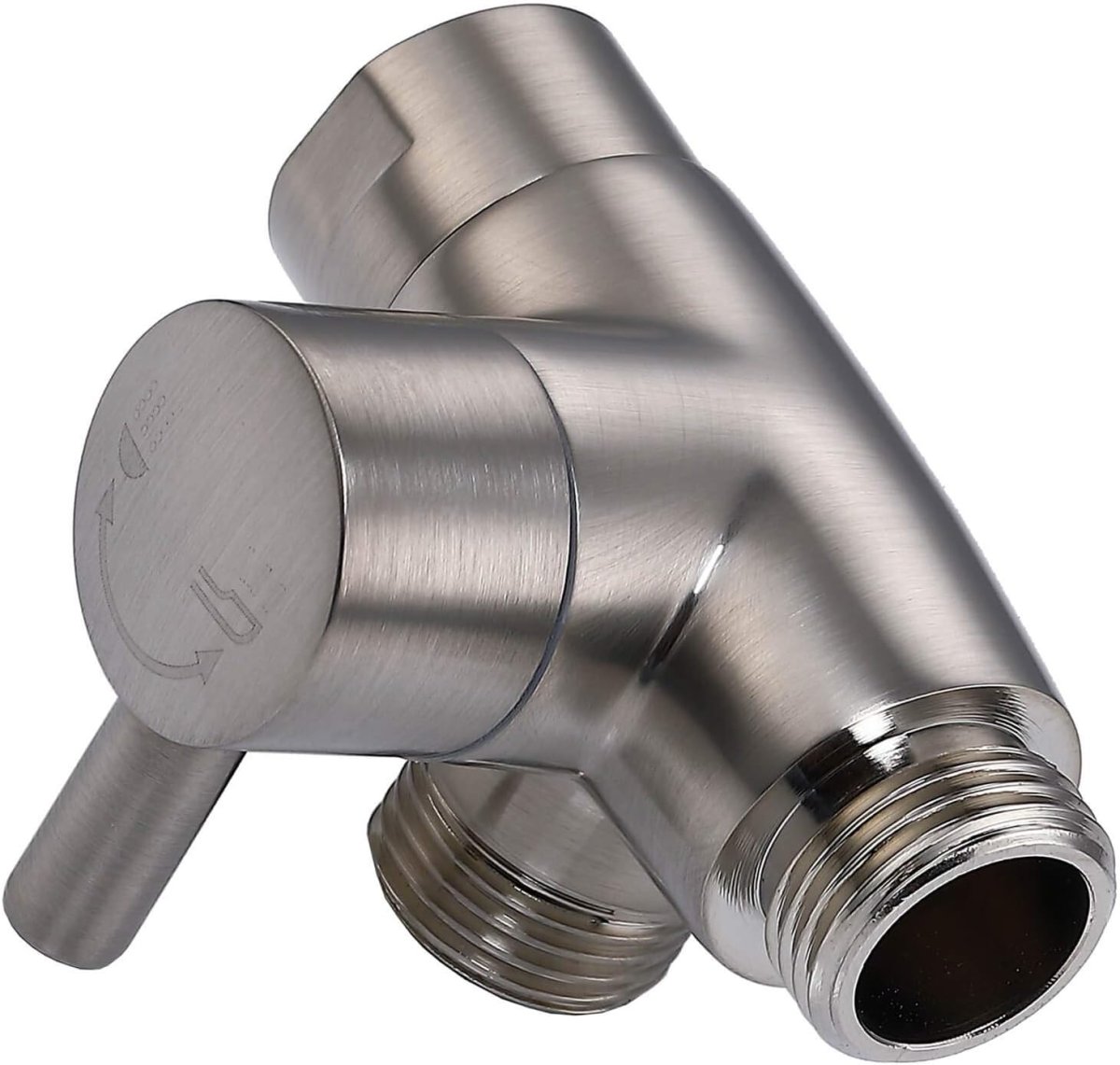
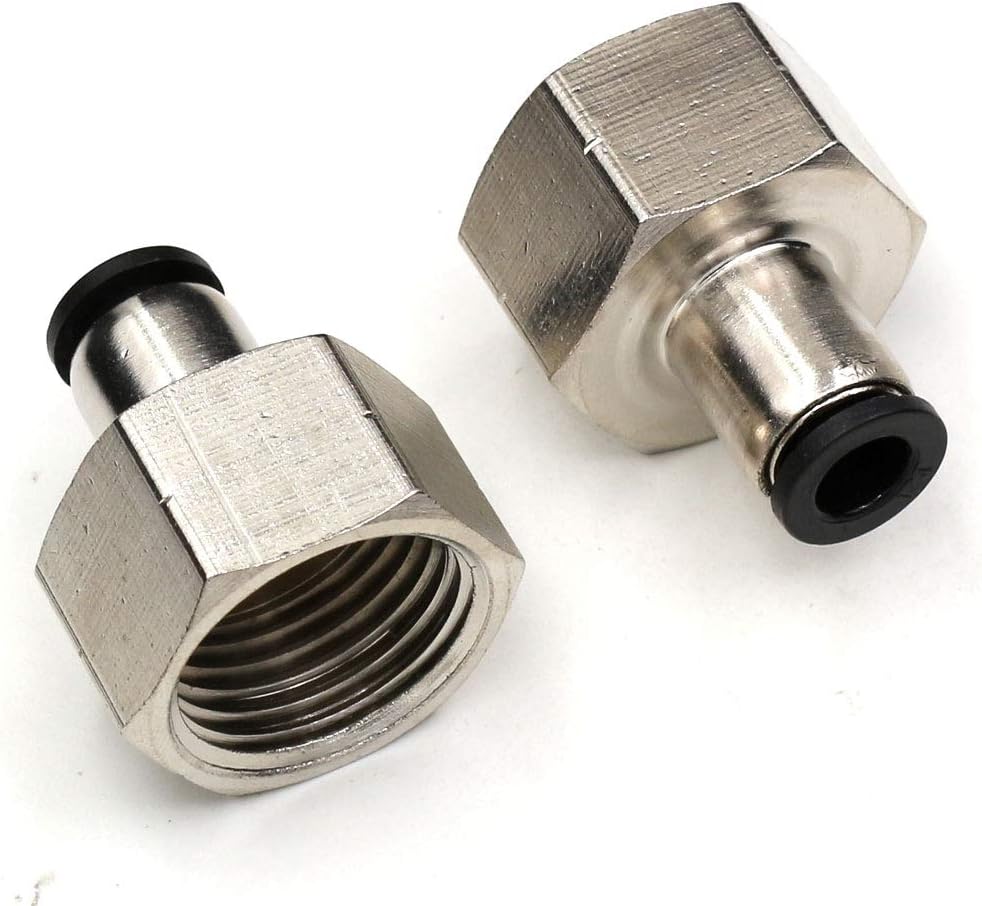
First, my setup. I'm in a 3rd story, NYC co-op apartment, and while I own it and could make a more permanent installation, I chose not to. My unit is connected to a 1/2" 3-Way universal shower diverter that has a 1/2" FPT to 1/4 OD tubing PTC fitting on it. So basically, I have a "shower" mode and a "RODI" mode I can choose between. There's a comical photo of the installation on my build thread, if you're curious.
As for my water, I'm measuring the pressure with a MEASUREMAN a glycerin-filled RO pressure gauge. It's reading between 40-45PSI when the line is capped after the gauge. When the system was running, it measures lower (in the 30s if I remember correctly). My incoming water is only about 30 TDS and there are no chloramines in it.
Everything I've read suggests I would benefit from a booster pump; and I've been doing some comparison shopping to see what my options are. What I've considered, so far:
First, my setup. I'm in a 3rd story, NYC co-op apartment, and while I own it and could make a more permanent installation, I chose not to. My unit is connected to a 1/2" 3-Way universal shower diverter that has a 1/2" FPT to 1/4 OD tubing PTC fitting on it. So basically, I have a "shower" mode and a "RODI" mode I can choose between. There's a comical photo of the installation on my build thread, if you're curious.
As for my water, I'm measuring the pressure with a MEASUREMAN a glycerin-filled RO pressure gauge. It's reading between 40-45PSI when the line is capped after the gauge. When the system was running, it measures lower (in the 30s if I remember correctly). My incoming water is only about 30 TDS and there are no chloramines in it.
Everything I've read suggests I would benefit from a booster pump; and I've been doing some comparison shopping to see what my options are. What I've considered, so far:
- Air, Water & Ice Booster - It comes with a prefilter, which I don't think I really need given the quality of my source water. It provides 60 PSI, which AWI claims is optimal. They also say a PSI of over 75 will overpower the RO unit. I don't t The unit also comes with a built-in brass needle valve used to balance existing pressure with the boosted pump water pressure. Apparently this is closed by default, but can be adjusted if the pump cycles on and off while making water. The pump is made in China.
- Aquatec 8800 RODI Booster Pump Kit - These are available at numerous places (Buckeye Hydro, Amazon, SaltwaterAquarium.com, BRS) and are mostly the same kit, though Buckeye includes a strainer. It seems like this is usually to go-to pump, and it's made in the USA.
- AquaticLife Smart Buddie - It has some fancy features, such as autoflushing, and generally positive reviews. It seems like it's a bigger piece of equipment though, which might not be ideal as I will likely be continually installing/uninstalling whichever unit I get.
- Did I miss anything between the comparison of those three units? Is one significantly better?
- Are there better options not listed?
- Is the needle valve AW&I includes necessary? How would you adress a power-cycling pump in Auqatec or Smart Buddie?
- Is 60 or 65 PSI really the limit? The RO membrane that shipped with my unit, and the add-on membrane, are both Axeon 150 GPD membranes. The technical specifications suggest they can be operated at higher pressures (unless I'm reading them wrong), which would theoretically give me a better production rate?
- AW&I suggests trying to boost by more the 15 PSI could "overwork" the pump. Unfounded concerns, issue to their specific pump, or something I need to consider regardless of which pump I get?
- Where along the chain do the pump get installed. BuckeyHydro's diagram shows the pump directly before the RO membrane, while AW&I seemingly shows it installed in before the sediment and carbon filters. With my low-TDS source water, does it matter?
- Finally, for the add-on membrane I have coming, given my source water, what would be the best way to install it, in parallel or series?
The above diagram is from this site. It seems like if I forego a booster pump, I should install it in parallel, but if I get the booster pump I should install it in series. I usually keep some RODI water on hand, so I don't know if I would benefit from the faster production.














