The Wrasse Lover's Thread!

I have a Mccoskeri flasher wrasse in my 800 litres display tank. Would I be able to add another different flasher to the tank?
Thanks, Di
 
I have a Mccoskeri flasher wrasse in my 800 litres display tank. Would I be able to add another different flasher to the tank?
Thanks, Di
Yes. I have a big male Mccoskeri, with a smaller male Cyaneus that was added much later, in a 400 liter display. The Mccoskeri flashes every fish in my tank, including the smaller flasher, but there is no aggression.
 
Labouti and naokoae are more agressive than the rhomboidalis, so unless the tank is several hundred gallons and the rhomboid is well established, I would recommend against that combo.
Based on the chart I would have thought that mix would be okay, since even though rhomboids are less aggressive, they are still yellow. So if you add the rhomboid first I figured it would work?
 
Last edited:
I have a Mccoskeri flasher wrasse in my 800 litres display tank. Would I be able to add another different flasher to the tank?
Thanks, Di
I agree with the others and think it would work just fine and that you could even add a few species of flasher.
Based on the chart I would have thought that mix would be okay, since even though rhomboids are less aggressive, they are still yellow. So if you add the rhomboid first I figured it would work?
I've seen quite a few naokoae get quite belligerent, and labouti also can be pushy, whereas rhomboidalis is one of the more peaceful species in the genus. IME it would be hard-pressed to work out well for the rhomboid unless the rhomboid were added first and it were an exceptionally large tank or with a large number of other fairy or flasher wrasses.
 
I've seen quite a few naokoae get quite belligerent, and labouti also can be pushy, whereas rhomboidalis is one of the more peaceful species in the genus. IME it would be hard-pressed to work out well for the rhomboid unless the rhomboid were added first and it were an exceptionally large tank or with a large number of other fairy or flasher wrasses.
I just would have thought that, based on Hunter's chart, light orange and yellow would be compatible, and that the orange would just be at the top of the pecking order. So does hat mean that light orange would be completely out of the question with the greens? I was planning on doing an exquisite, hooded, and Solorensis in my 90g but now I think I may have to reconsider. Does size make a difference? I plan on adding the hooded and exquisite first and giving them time to settle in, and getting a smaller Solorensis. But I might have to reconsider?

 
I just would have thought that, based on Hunter's chart, light orange and yellow would be compatible, and that the orange would just be at the top of the pecking order. So does hat mean that light orange would be completely out of the question with the greens? I was planning on doing an exquisite, hooded, and Solorensis in my 90g but now I think I may have to reconsider. Does size make a difference? I plan on adding the hooded and exquisite first and giving them time to settle in, and getting a smaller Solorensis. But I might have to reconsider?

I base it off of my own personal experiences. So can't say I am overly familiar with his chart, though I am aware of it.

The 3 species you mention, I find the hooded is the most peaceful, followed by exquisitus, then solorensis, but all 3 are compatible.
 
Thanks. This is the chart I'm referring to, in case there's any confusion.
https://www.reef2reef.com/ams/cirrhilabrus-complexes-inferiority-need-not-apply.17/

Hunter's chart is a great overview of the Cirrhilabrus complexes and also my first reference, but there is also some variability in the species within those complexes. For a great overview on the more popular Cirrhilabrus species including the ones you mention, as well as those from other genera, see his excellent article on reef safe wrasses. There he also mentions the possible aggression of the species in question, which echoes TJ's experience. Even that is just a guide, and individuals in a species might not always conform. That is where an acclimation box becomes indispensable as your last line of defense against wrasses aggression.
 
I've tried laboutis twice in a 120 and 315 with multiple other wrasse and both times they had to be removed due to aggressiveness.
 
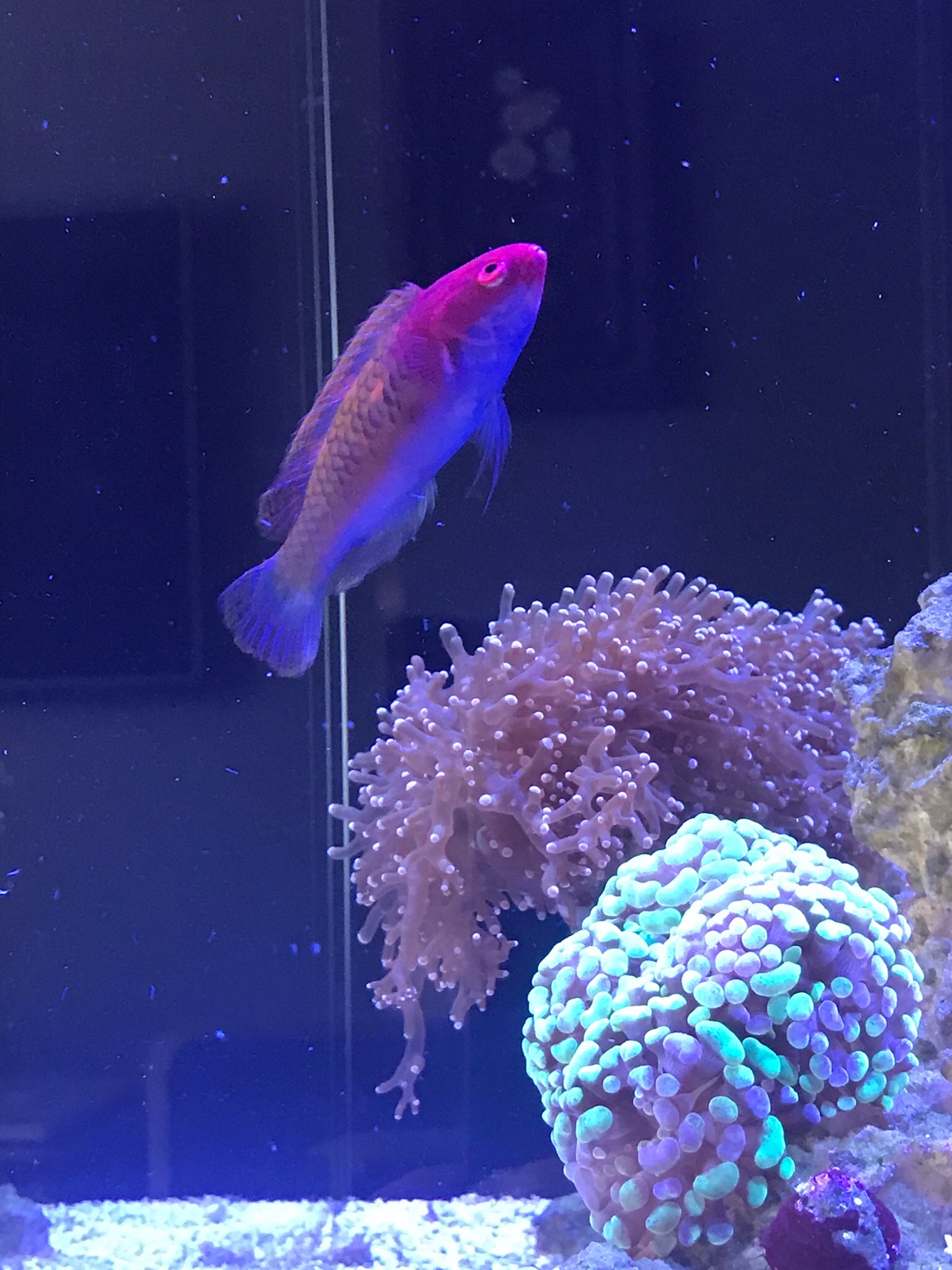
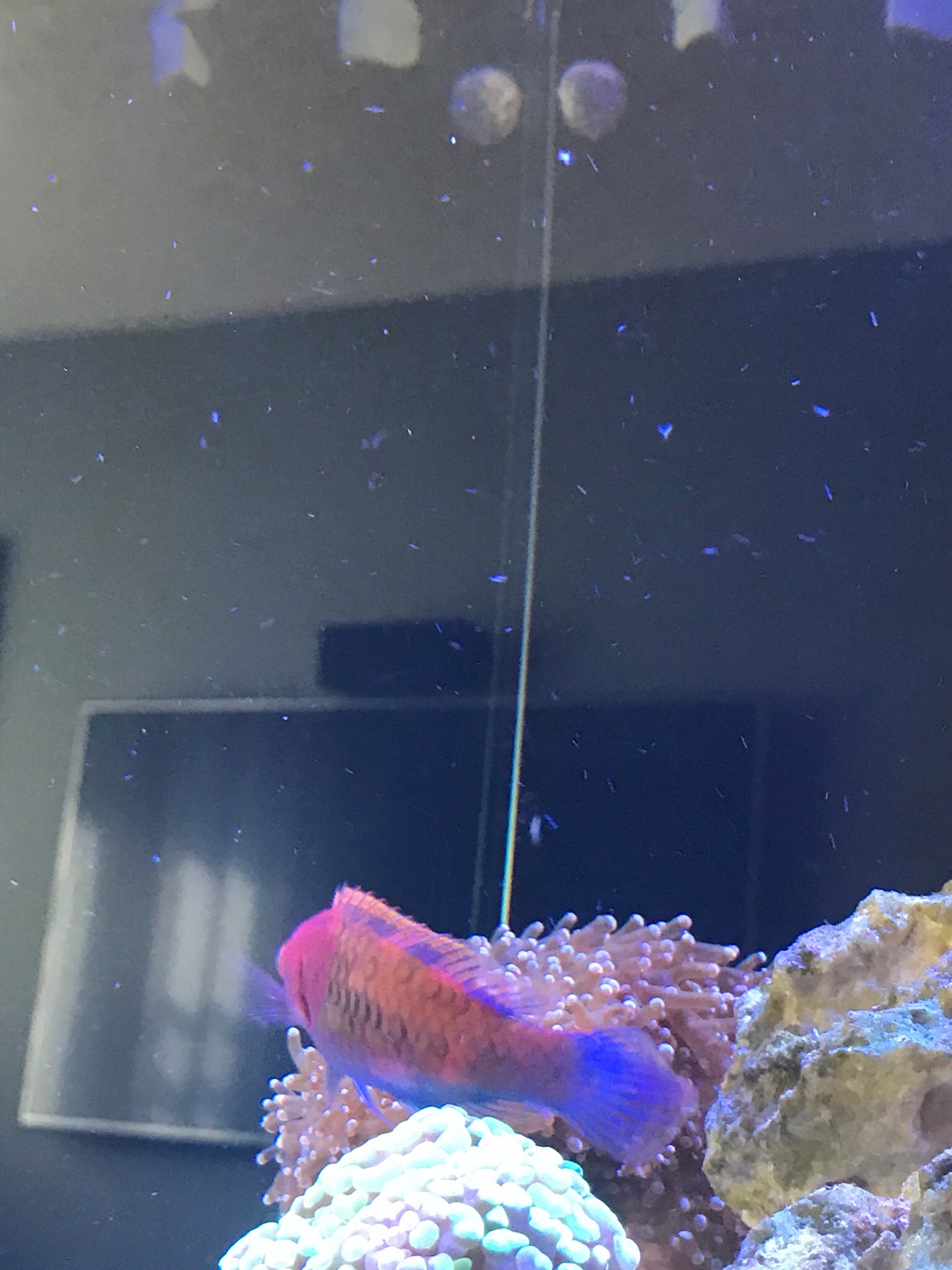
Rhomboid starting to change.
image.jpg
 
I currently have a crescent tail and hooded wrasse. Would adding an eight line flasher, rhomboid, and katoi be okay?
Katoi can be pretty aggressive toward other fairies.
Is my wrasse a male ruby head?
ba8e5e1040a5174c6169678903117c1c.jpg
331699d138ceaf417d344d8755d6f6f1.jpg
Yup, male C. cf. cyanopleura.
 
thanks for the response, i figured as well. ended up just getting the eightline and rhomboid.

the last few rhomboids from LA/DD have had swimbladder issues, i've tried the pea trick. i've even tried surgically but both never made it as they succumbed to the problems.
 
the last few rhomboids from LA/DD have had swimbladder issues, i've tried the pea trick. i've even tried surgically but both never made it as they succumbed to the problems.

That could mean the collector isn't decompressing them properly. I'd try another vendor...
 

ARE YOU READY TO CONFESS TO CRAZIEST, DUMBEST, FUNNIEST THING YOU’VE EVER DONE IN REEFING?

  • Yeah, I'll confess! (Share your story in the comments!)

    Votes: 16 57.1%
  • Nah, I'll keep mine a secret...(Don't be like that, share with the class!)

    Votes: 12 42.9%
Back
Top
Home
Post thread…
Market
What's new