



Analysis to show the effects of freezing seawater samples on trace element levels.
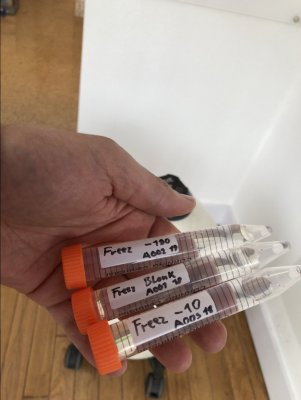
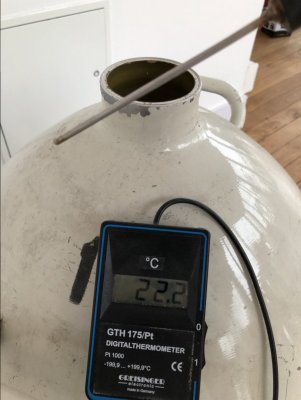
Sample A001 +22°C Blank
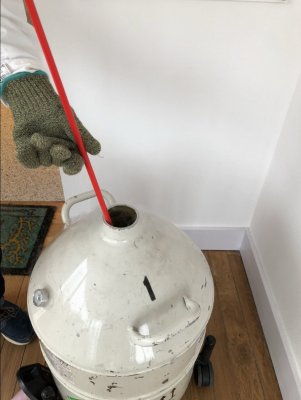
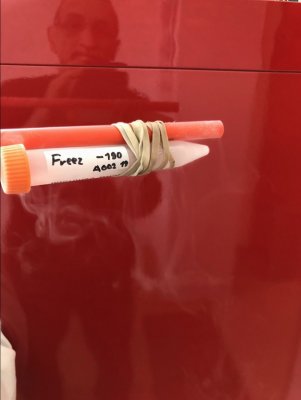
Sample2 A002-198°C
Sample3 A003-10°C
Samples were taken from the same source solution which was spiked with multiple trace elements to enable us to observe the effects of freezing that may happen during transit of samples in extreme environments.
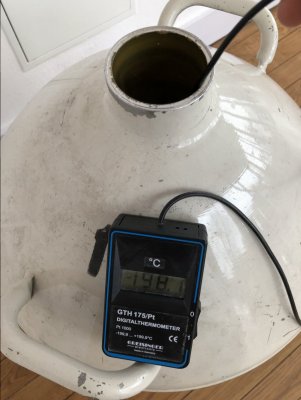
Findings attached...
Simple conclusion
Even freezing samples lower than -40°C shock frozen with liquid nitrogen did not show any significant effect on our testing method and it’s usability in reef aquariums. Tested for macro elements and as many trace elements as possible in seawater.
Some of the elements that normally tend to decrease in a sample over time, for example, Mercury, Tin, Selenium, and Manganese show possible better recovery. Further testing is needed to assess a real benefit of freezing samples prior to analysis. For this reason, we will redo this testing with the samples A002 and A003 remaining in a frozen state for two weeks.
Sample A001 +22°C Blank
Sample2 A002-198°C
Sample3 A003-10°C
Samples were taken from the same source solution which was spiked with multiple trace elements to enable us to observe the effects of freezing that may happen during transit of samples in extreme environments.
Findings attached...
Simple conclusion
Even freezing samples lower than -40°C shock frozen with liquid nitrogen did not show any significant effect on our testing method and it’s usability in reef aquariums. Tested for macro elements and as many trace elements as possible in seawater.
Some of the elements that normally tend to decrease in a sample over time, for example, Mercury, Tin, Selenium, and Manganese show possible better recovery. Further testing is needed to assess a real benefit of freezing samples prior to analysis. For this reason, we will redo this testing with the samples A002 and A003 remaining in a frozen state for two weeks.








