- Joined
- Nov 9, 2014
- Messages
- 22,423
- Reaction score
- 31,577
First off, many thanks to @Christoph for providing me with this information in the first place. The below "recipe" can also be found in a book by Gerald Bassleer: https://www.bassleer.com/over-gerald-bassleer/
Into 1 liter of RODI water add:
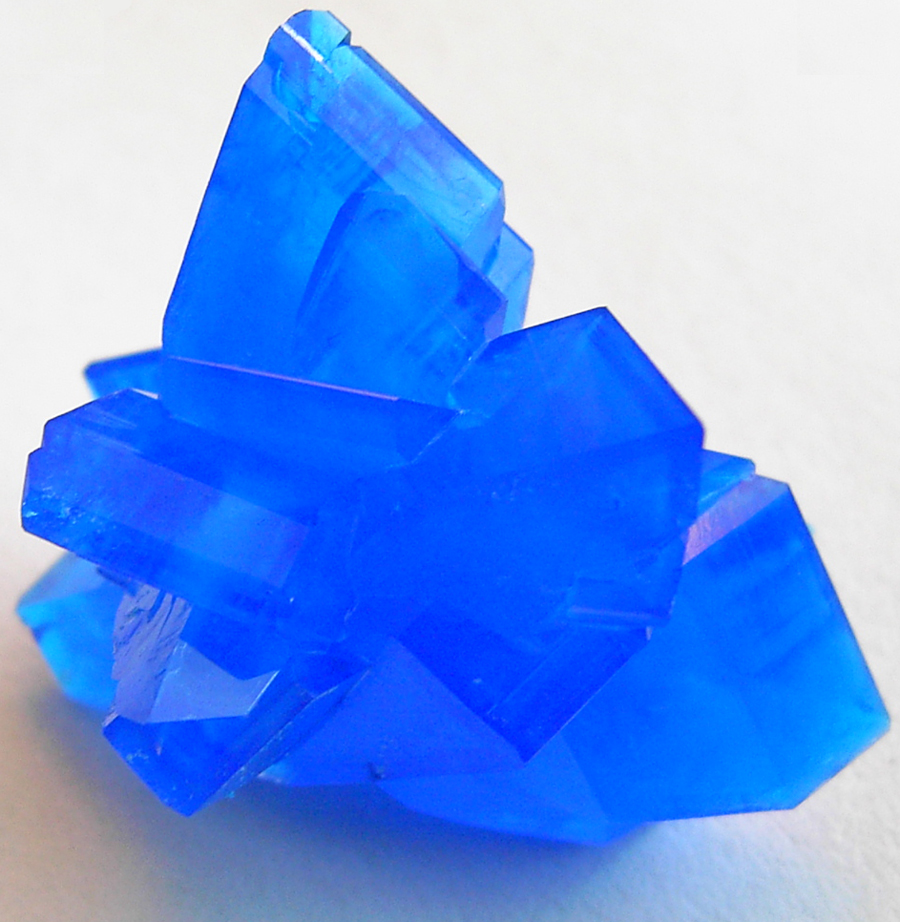
4 grams Copper(II) sulfate pentahydrate (CuSO4.5H2O)
AND
0.25 gram Citric acid - the acid acts as a stabilizer to the copper in solution. Never substitute the citric acid with ascorbic acid (Vitamin C) since it will render the copper way more toxic. :eek:
Everything should dissolve nicely giving you a slightly bluish solution.
9.8 mL of this solution is necessary to bring 100 Liters (26.4172 US gallons) of tank water to 0.1 mg/L copper. Therapeutic range is ~ 0.15 to 0.25 mg/L, but I would try to stay below 0.20 for sensitive species. Can easily be measured with Salifert copper test kit.
^^ The above might be an option to try for those struggling with commercially available copper products. o_O It is "old school copper", which isn't used much anymore (except by public aquariums, research institutions, etc.) because it isn't very "user friendly" and has a narrow therapeutic range. So be sure to pay close attention to detail when mixing everything & dosing. I will begin looking for online sources to buy the above listed ingredients; @Randy Holmes-Farley might already know of some.
Into 1 liter of RODI water add:
4 grams Copper(II) sulfate pentahydrate (CuSO4.5H2O)
AND
0.25 gram Citric acid - the acid acts as a stabilizer to the copper in solution. Never substitute the citric acid with ascorbic acid (Vitamin C) since it will render the copper way more toxic. :eek:
Everything should dissolve nicely giving you a slightly bluish solution.
9.8 mL of this solution is necessary to bring 100 Liters (26.4172 US gallons) of tank water to 0.1 mg/L copper. Therapeutic range is ~ 0.15 to 0.25 mg/L, but I would try to stay below 0.20 for sensitive species. Can easily be measured with Salifert copper test kit.
^^ The above might be an option to try for those struggling with commercially available copper products. o_O It is "old school copper", which isn't used much anymore (except by public aquariums, research institutions, etc.) because it isn't very "user friendly" and has a narrow therapeutic range. So be sure to pay close attention to detail when mixing everything & dosing. I will begin looking for online sources to buy the above listed ingredients; @Randy Holmes-Farley might already know of some.