Allelopathy in carpet nems???

Joined
Dec 10, 2017
Messages
1,430
Reaction score
2,545
Location
West Texas
Rating - 0%
0   0   0
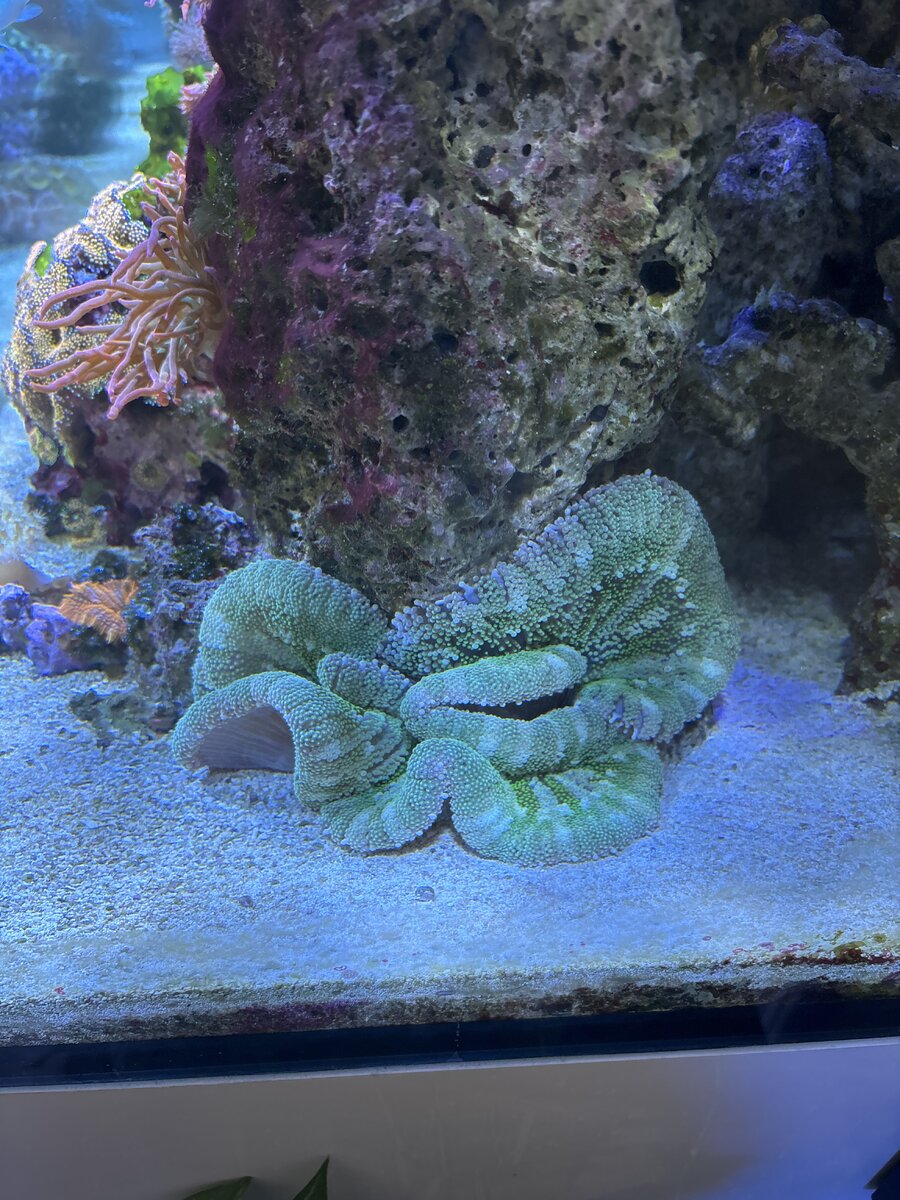
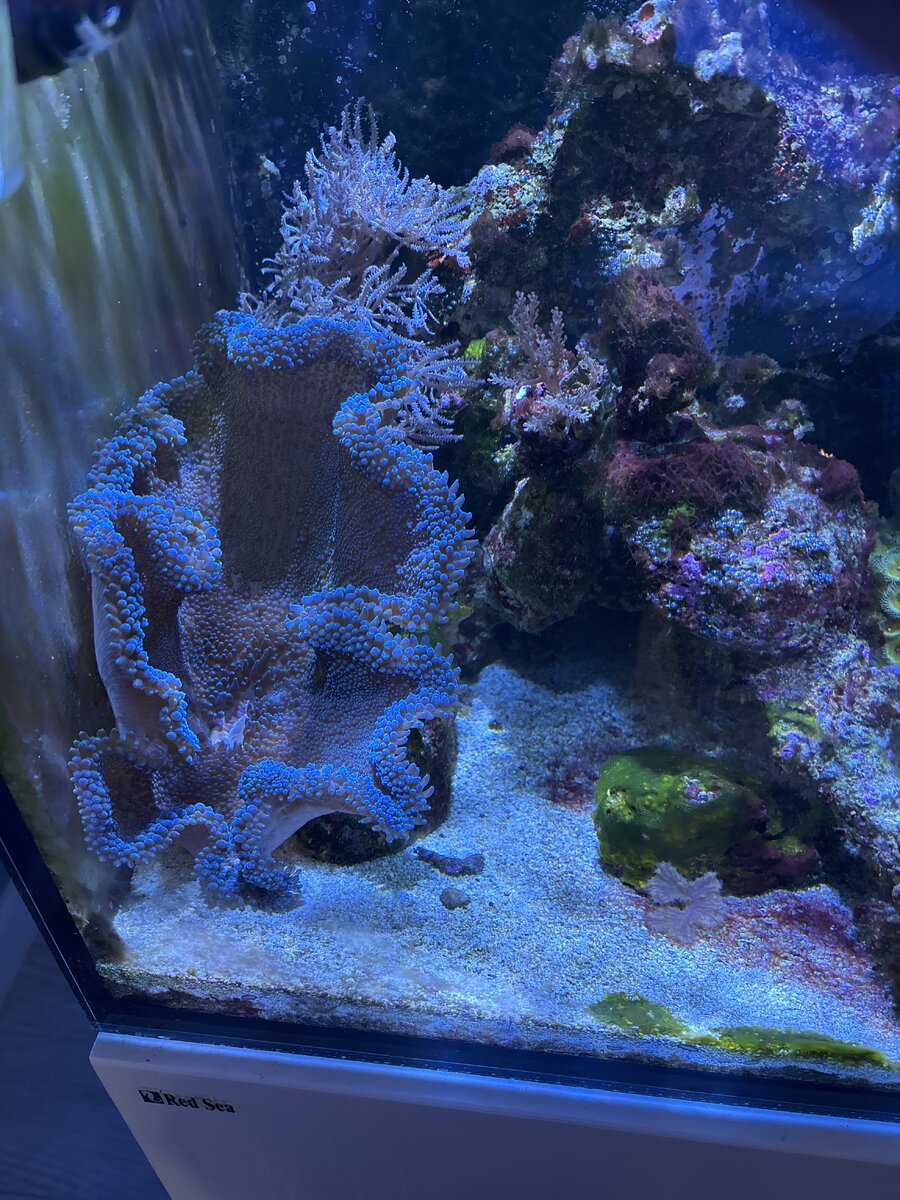
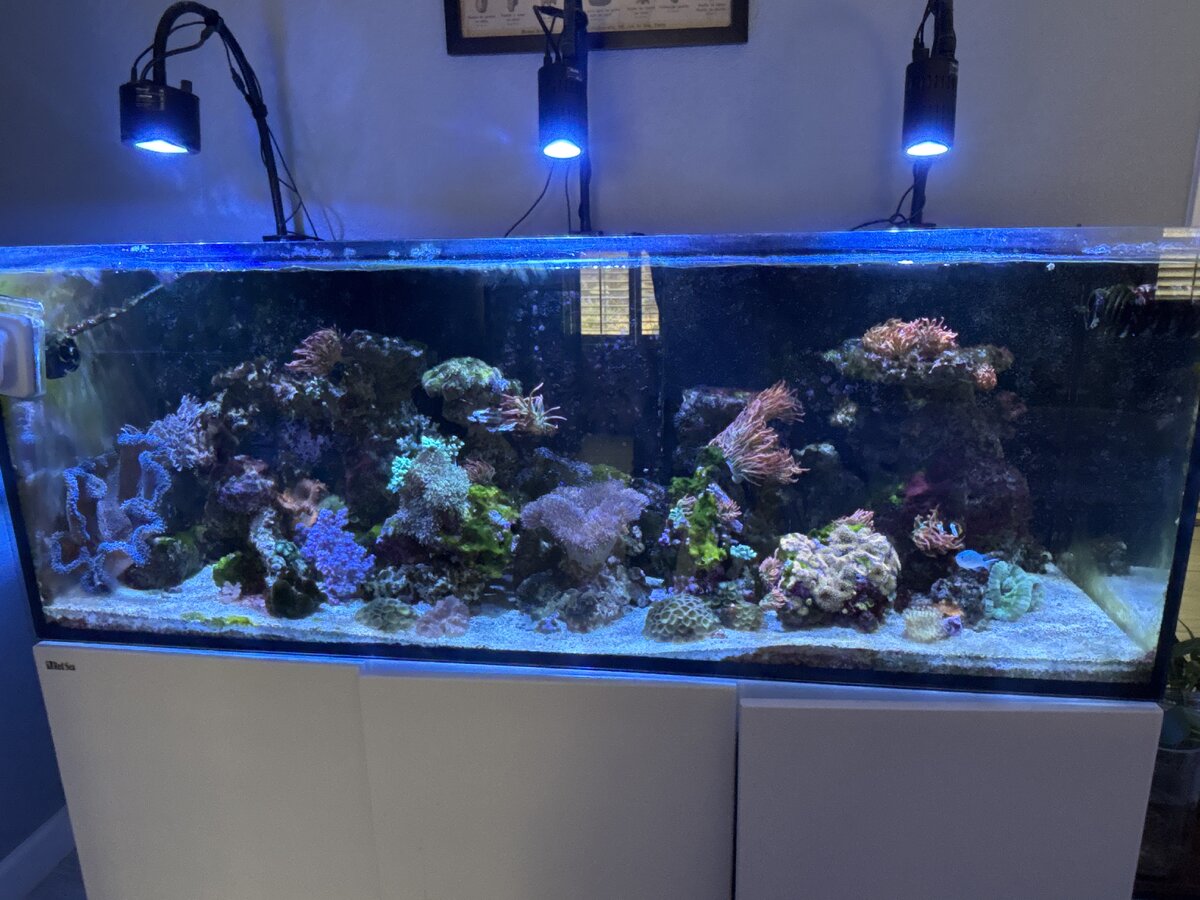
I have two carpet nems and th newest one was doing well but seem to be always scrunched up lately with other is open and full. Could the be some chemical warfare going on between these two types of haddonis??
image.jpg


image.jpg

image.jpg
 

Jay Hemdal

10K Club member
View Badges
Joined
Jul 31, 2020
Messages
37,577
Reaction score
37,374
Location
Dundee, MI
Rating - 0%
0   0   0
I have two carpet nems and th newest one was doing well but seem to be always scrunched up lately with other is open and full. Could the be some chemical warfare going on between these two types of haddonis??
image.jpg


image.jpg

image.jpg


I've not seen chemical allelopathy in anemones, but there certainly are many issues when physical contact causes this sort of thing.....
 

Randy Holmes-Farley

Reef Chemist
View Badges
Joined
Sep 5, 2014
Messages
89,247
Reaction score
92,276
Location
Massachusetts, United States
Rating - 0%
0   0   0
I had a green gigantea that was thriving for years (far left in picture). I added a small blue one a couple of feet away, and it thrived and grew greatly over the years (middle right, after it had grown), while at the same time the green one slowly shrank. I suspect, but cannot prove, there was an undesirable interaction between them.

1777901040711.png
 

krak256

Active Member
View Badges
Joined
Apr 23, 2019
Messages
263
Reaction score
101
Rating - 0%
0   0   0
I had a green gigantea that was thriving for years (far left in picture). I added a small blue one a couple of feet away, and it thrived and grew greatly over the years (middle right, after it had grown), while at the same time the green one slowly shrank. I suspect, but cannot prove, there was an undesirable interaction between them.

1777901040711.png
For gigs, unsure about haddoni, there is a belief from owners that you can't house too many in a small volume. Chemical warfare from the larger gig causes the smaller to shrink and potentially ultimately die. Tagging @D-Nak as he's had experience.
 

D-Nak

Valuable Member
View Badges
Joined
Oct 15, 2011
Messages
2,030
Reaction score
1,743
Location
Bay Area, CA
Rating - 0%
0   0   0
Yes, I've had numerous experiences with multiple gigantea where one -- it doesn't matter if it's the new addition or the already established one -- becomes the dominant anemone. It's typically larger, and no matter how much I feed the other gigs, it still remains the largest and the others stop growing. In extreme situations, the smaller anemones slowly dwindle in size and need to be removed.

In your case, @Paleozoic_reefer, I think it may be a combination of factors.
  1. Looks like you don't have a deep sand bed in the tank. Haddoni typically prefer at least 3" of substrate so that they can dig their foot into the sand, and usually secure their foot on the bottom of the tank. If they're not given that environment, they may be constantly stressed and may move around the tank. I don't know if they release any stress-related chemicals that could trigger a allelopathic response.

  2. Related to #1, it also looks like you're not giving the haddoni enough real estate to lay flat against the substrate. This could also stress them out, but to what extent I'm not sure. Of course, the goal is to provide the optimal environment, which would cause minimal stress.

  3. Sometimes softies like leathers and xenia cause haddoni and gigantea (and other anemones) to behave strangely. Consider removing them, or moving the haddoni to another tank to see if it perks up.

 

Jay Hemdal

10K Club member
View Badges
Joined
Jul 31, 2020
Messages
37,577
Reaction score
37,374
Location
Dundee, MI
Rating - 0%
0   0   0
OP
OP
Paleozoic_reefer
Joined
Dec 10, 2017
Messages
1,430
Reaction score
2,545
Location
West Texas
Rating - 0%
0   0   0
Yes, I've had numerous experiences with multiple gigantea where one -- it doesn't matter if it's the new addition or the already established one -- becomes the dominant anemone. It's typically larger, and no matter how much I feed the other gigs, it still remains the largest and the others stop growing. In extreme situations, the smaller anemones slowly dwindle in size and need to be removed.

In your case, @Paleozoic_reefer, I think it may be a combination of factors.
  1. Looks like you don't have a deep sand bed in the tank. Haddoni typically prefer at least 3" of substrate so that they can dig their foot into the sand, and usually secure their foot on the bottom of the tank. If they're not given that environment, they may be constantly stressed and may move around the tank. I don't know if they release any stress-related chemicals that could trigger a allelopathic response.

  2. Related to #1, it also looks like you're not giving the haddoni enough real estate to lay flat against the substrate. This could also stress them out, but to what extent I'm not sure. Of course, the goal is to provide the optimal environment, which would cause minimal stress.

  3. Sometimes softies like leathers and xenia cause haddoni and gigantea (and other anemones) to behave strangely. Consider removing them, or moving the haddoni to another tank to see if it perks up.
Thanks @D-Nak (and @Jay Hemdal and @Randy Holmes-Farley) I suspect your suggestions may be spot on. I’ve tried to move some of the rock to give them more space to flatten out but they are sticking to them and I don’t want to damage their foots (feet?). i will continue to move the rocks slowly until they release. I will see about adding more sand as well. I also suspect that the long polyp leather may also be a factor. It was in my magnifica tank and the mag seem to always want to move toward it and touch it as if to kill it. I LOVE long polyp leathers but I suspect their allelopathy is a root cause of some issues over the years in my tanks.
 

Beuchat

Active Member
View Badges
Joined
Oct 29, 2015
Messages
166
Reaction score
366
Location
Madrid, Spain
Rating - 0%
0   0   0
Hi, I’ve also experienced symptoms of “allelopathy”, although, as Randy rightly says, I can’t prove it. It’s something I explained in my previous article, which I actually need to update (thanks for quoting Jay 🙂 )


The Heteractis magnifica shown in the photo died a few weeks ago due to an ammonia spike after using Chemiclean to treat cyanobacteria.

In the same tank, I kept two giganteas (a green one in addition to the blue one) without any issues for two years. I later sold the green one to another hobbyist.

I’m still waiting for my LFS to deliver another gigantea soon. I’ll update the post.
 

TOP 10 Trending Threads

WHAT AMOUNT OF LIVE ROCK AND SAND SHOULD BE PRIORITIZED FOR OPTIMAL BIODIVERSITY/FILTRATION?

  • 100% live rock + bagged sand

    Votes: 37 27.8%
  • 100% dry rock + 100% live sand

    Votes: 45 33.8%
  • 50/50 live/dry rock, 50/50 live/bagged sand

    Votes: 29 21.8%
  • 75% live rock, 25% live sand

    Votes: 12 9.0%
  • 25% live rock, 75% live sand

    Votes: 10 7.5%
Back
Top